

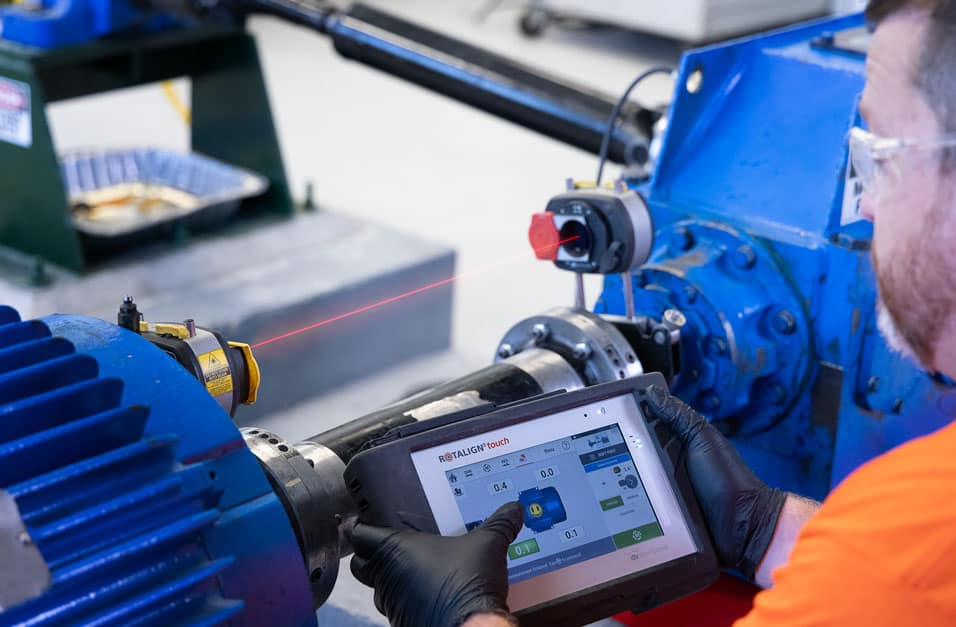
Efficient functioning of smart factories is ensured through the use of real-time data analysis and system connectivity. Remote monitoring has become an integral part of this process as it enables manufacturing companies to monitor their processes regardless of their physical location. Through monitoring the operation of equipment, manufacturing lines, and even environmental systems, manufacturing companies can achieve better insights into how things work and control the operations faster. This article outlines five main benefits that remote monitoring can bring to smart factories.
Enhanced Operational Visibility
The remote tracking system offers a holistic overview of the factory’s performance by using centralized dashboards and real-time information feed systems. Factory managers can keep a close eye on equipment performance, output generation, and the overall condition of the factory without visiting each location physically. With such detailed information at hand, management can analyze the efficiency of operations and any possible problems that may arise, making it easier for decision-makers to address them. Rather than having to wait for periodic reviews and on-site inspections, they gain instant insight, allowing them to be more proactive in their management strategy. As a result, factories operate with greater precision, and leadership gains confidence in their ability to maintain consistent performance even across distributed locations.
Improved Equipment Reliability
Another significant benefit that remote analysis provides is that it helps improve equipment reliability. The sensors built into the machinery gather information regarding vibration, temperature, pressure, and other vital parameters. By analyzing this information, any potential faults in the equipment can be detected in advance before a problem develops. In this way, proactive maintenance can be carried out to avoid any breakdowns. For many organizations, investing in remote vibration monitoring solutions has proven especially valuable in identifying mechanical issues that might otherwise go unnoticed. By addressing problems early, factories maintain smoother operations and avoid costly disruptions.
Cost Optimization and Resource Efficiency
Remote tracking plays a crucial role in ensuring financial gains through efficient utilization and the avoidance of wastage of resources. Usage of energy is monitored and optimized in real time, thus providing companies with opportunities to recognize when their energy usage is higher than expected. This allows for measures that would result in cutting back the costs of operations. Another way of gaining financially is through effective management of human resources, as not many employees will be needed to perform inspections. Rather, employees will devote themselves to other important activities such as analysis and planning. Over time, these efficiencies translate into substantial financial benefits.
Increased Flexibility and Scalability
As manufacturing settings change, flexibility becomes a necessity. Remote monitoring systems provide scalability because manufacturers can add capacity without having to deal with complicated issues. New equipment, new production lines, or even new plants can be added to the current remote analysis system with ease. It becomes easier for manufacturers to adjust their production capacity to meet the evolving market conditions, launch new products, or open up new markets. Remote access also ensures that professionals do not have to be present at the production site. They can offer guidance from wherever they are located. This capability proves particularly useful during periods of restricted travel or when specialized knowledge is required across multiple sites.
Strengthened Safety and Compliance
Safety and regulation are the most important considerations in any industrial environment. Remote monitoring improves both by providing real-time tracking of the environment and the efficiency of the equipment used. Alarms may be set up in case the values of monitored factors go beyond safety limits, making it possible for factory management to take necessary measures right away. This helps avoid any accidents and guarantees that the production process is not in violation of any regulations. Automated reports make it easier for companies to comply with rules and avoid any possible sanctions.
Remote monitoring has been one of the key pillars of any strategy of a smart factory, with its benefits ranging far beyond just being an instrument for monitoring. It allows for improving visibility and reliability, reducing costs, scaling up operations, and increasing safety. With each passing day, the value of remote analysis becomes more pronounced as technology advances, making the functioning of factories smarter and more resilient. Those organizations which recognize the power of remote tracking and harness its potential are destined to succeed.

Contact us
wayhubs@gmail.com